01Collecting4 min read
Violet Wand Comparison
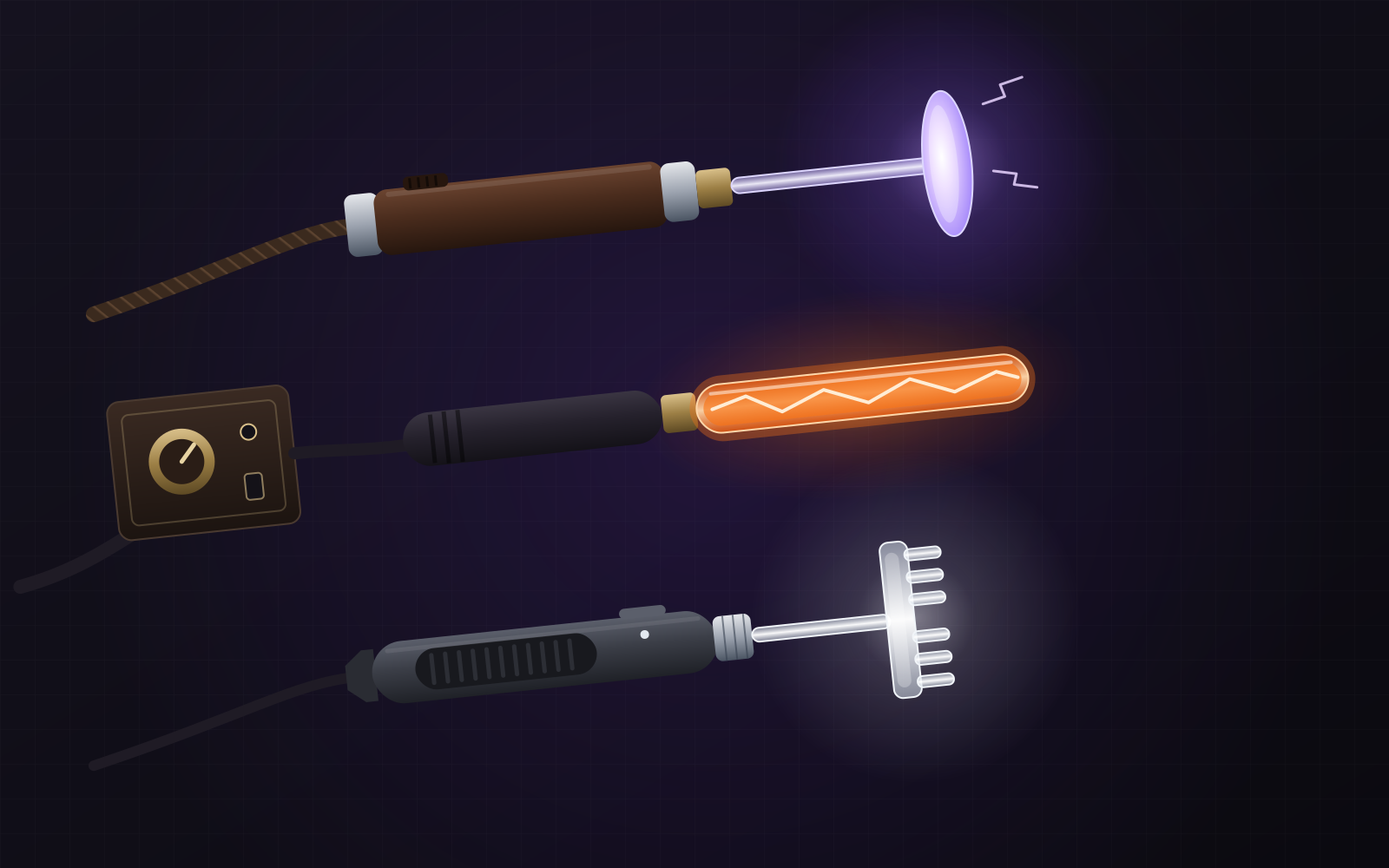
The main kinds of violet wand side by side, from 1920s violet ray outfits to modern solid-state units, plus how to work out who made yours.
Read articleEverything you need to know about violet wands, including the vintage sets once sold as “violet rays”: what they are and how they work, buying one, electrodes and accessories, running them on UK mains, safety, and where they came from.
23 articles shown
The main kinds of violet wand side by side, from 1920s violet ray outfits to modern solid-state units, plus how to work out who made yours.
Read article
New to violet wands? What they are, why people collect them, and the sensible first steps if one has just landed on your kitchen table.
Read article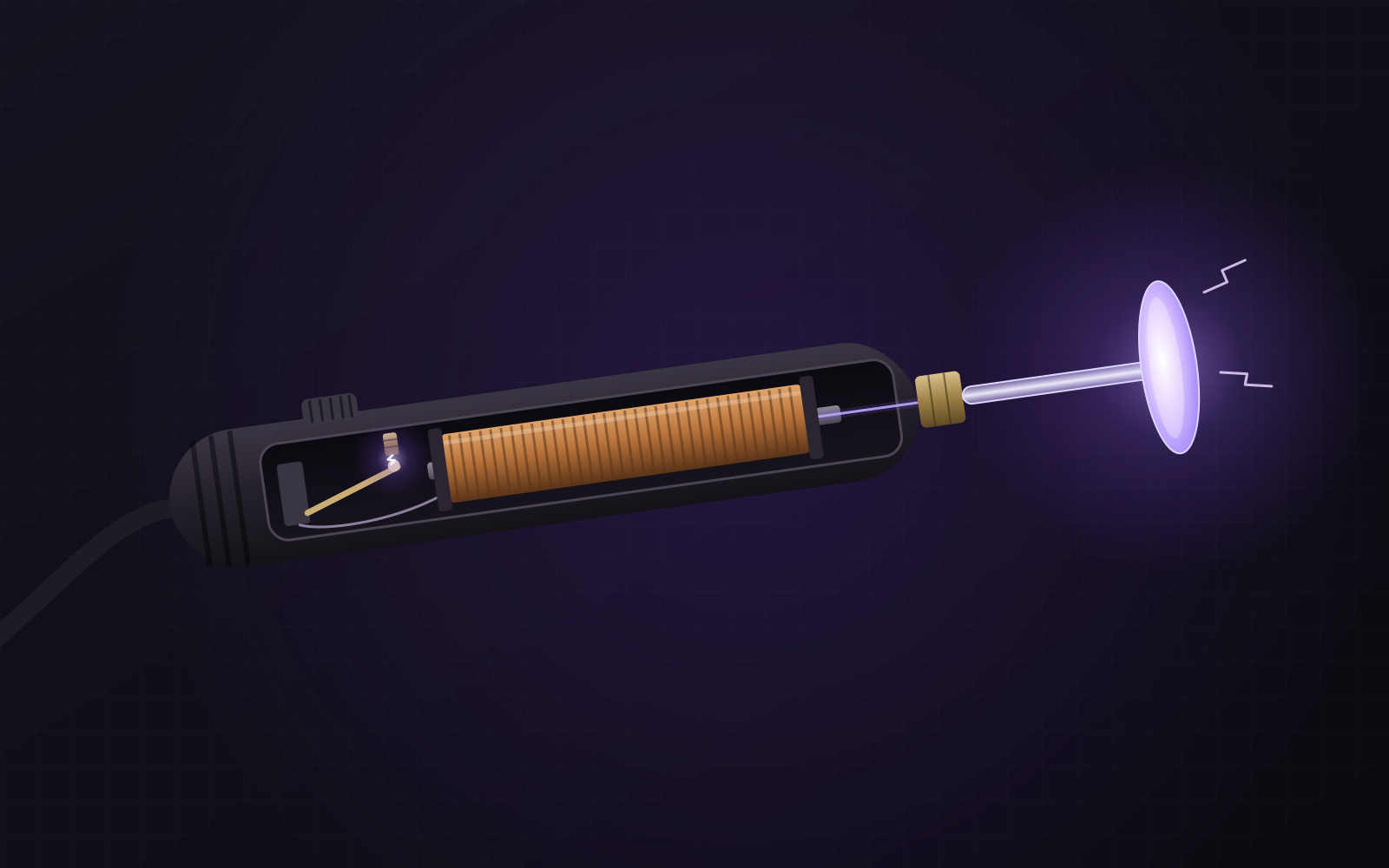
How a violet wand works in plain terms (interrupter, coil and electrode), why old ones fail, and a glossary of the words you will keep meeting.
Read article
Buying a vintage violet wand, getting it home in one piece, and the checks to do before anyone is tempted to plug it in.
Read article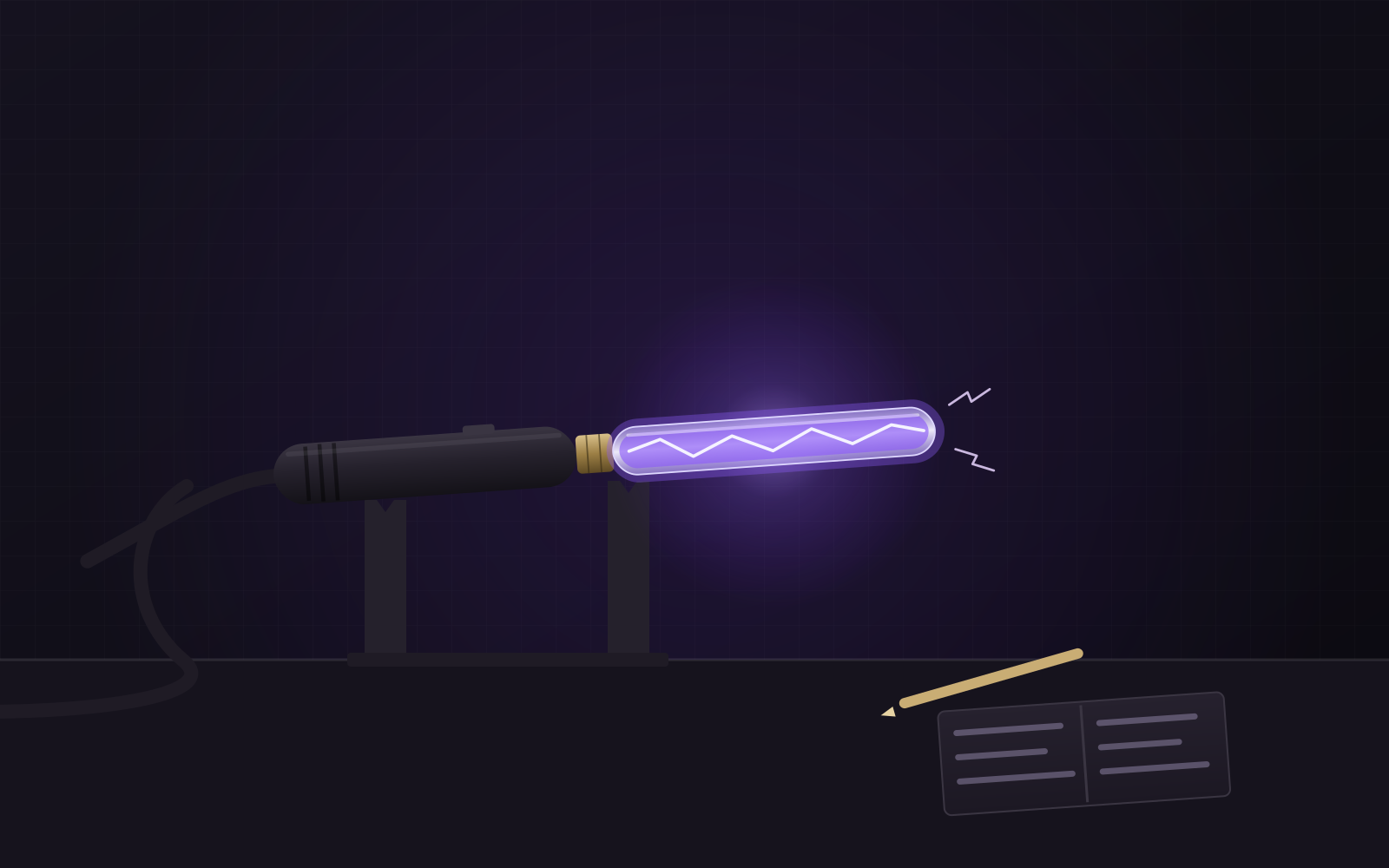
Once a wand has been properly overhauled, here is how to get to know it safely on the workbench: setting up, first power-up, and what the glow and buzz are telling you.
Read article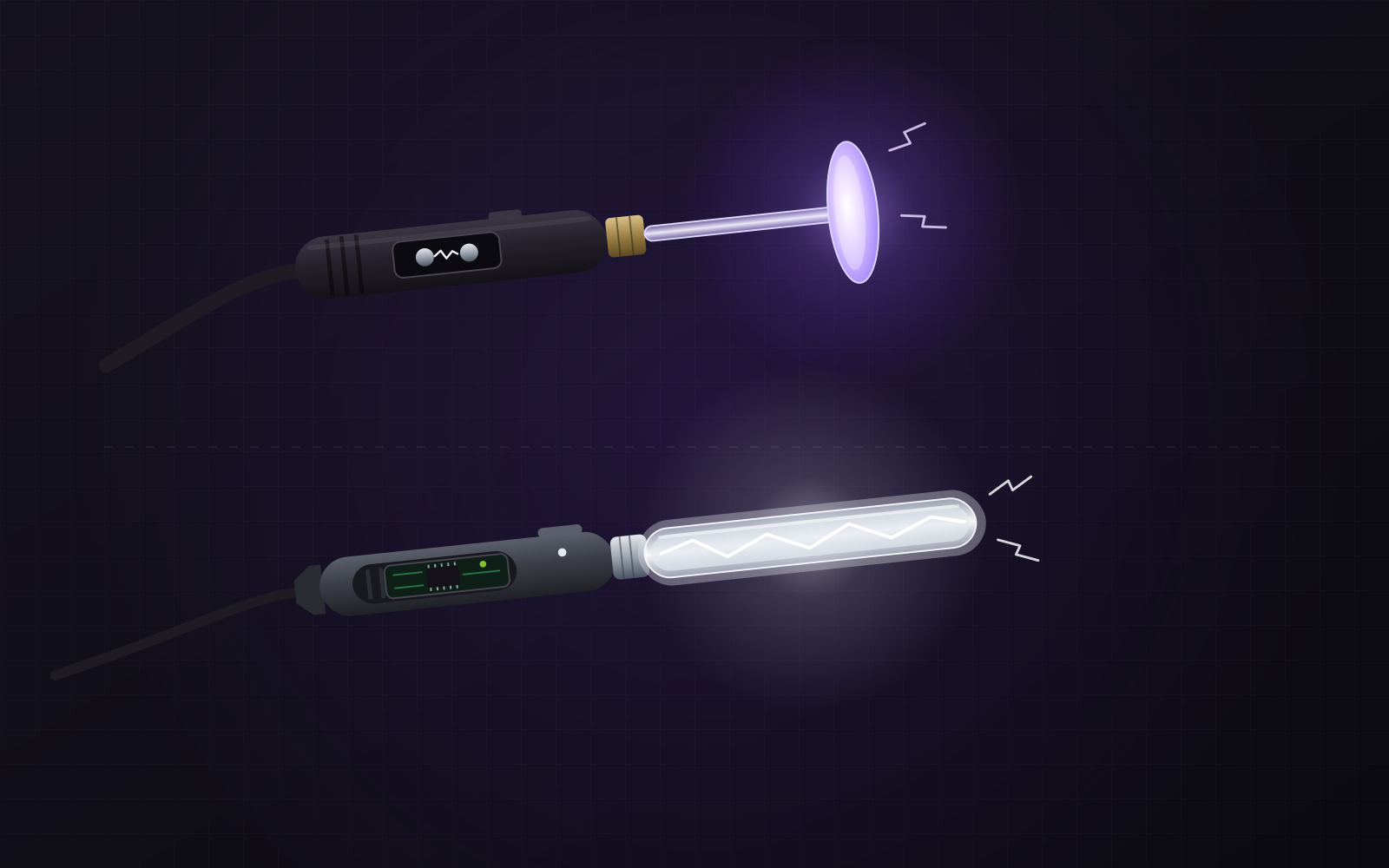
The two broad families of violet wand, how to tell them apart by look and sound, and what that means for a collector.
Read article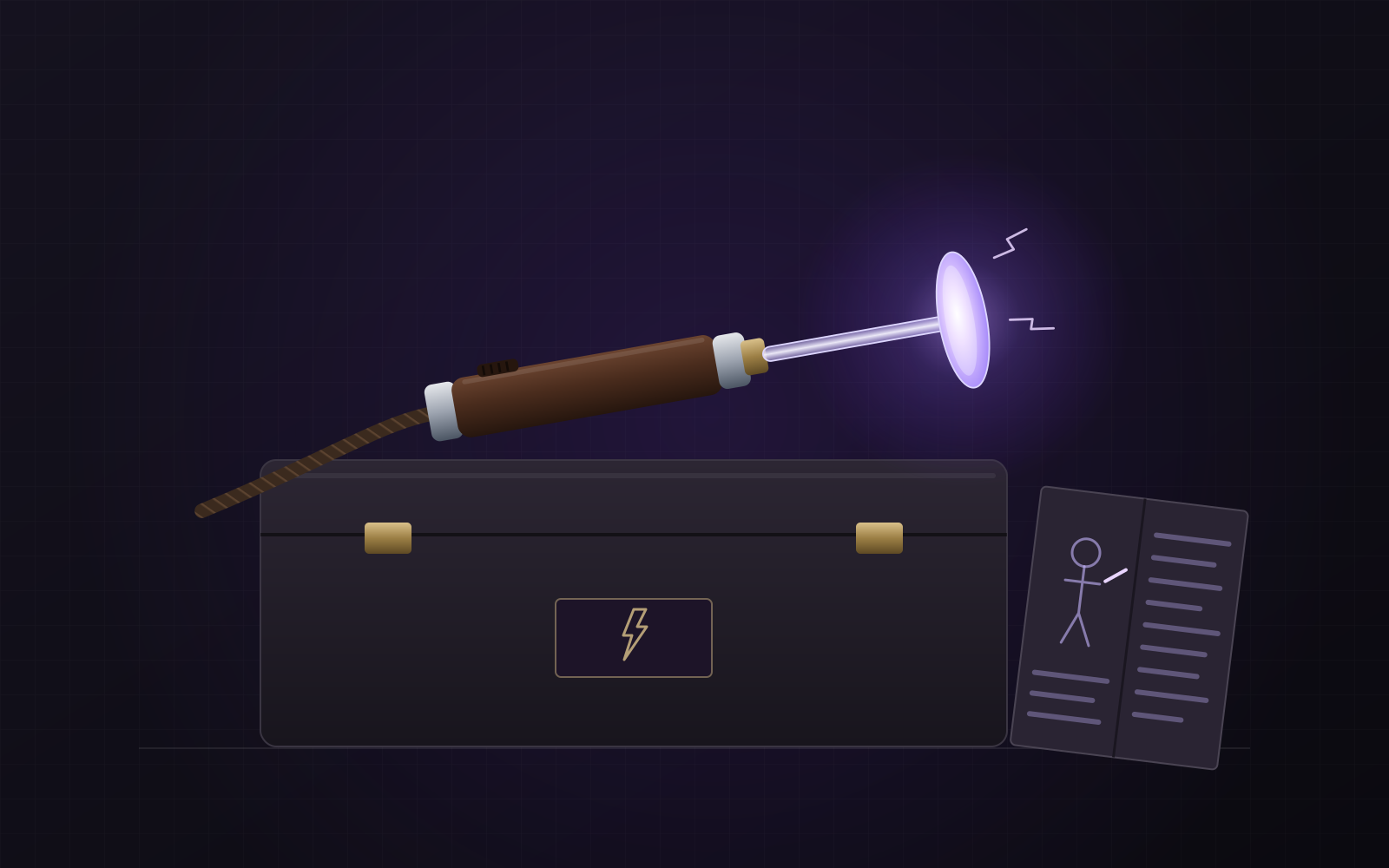
A close look at the typical 1920s violet ray set, the one most collectors start with: the case, the handle, the glass and the paperwork.
Read article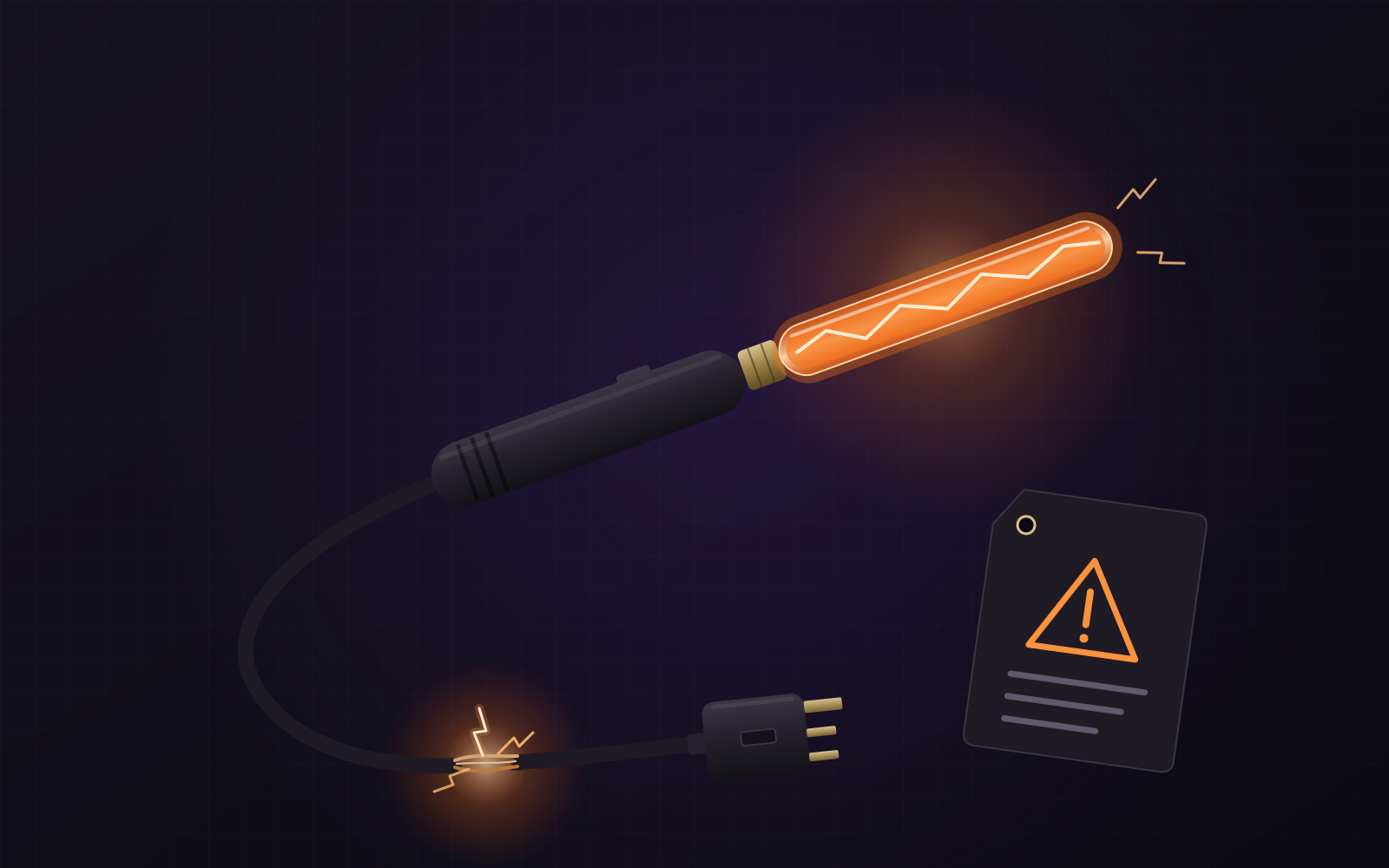
The hazards a violet wand really presents, and what a proper safety overhaul of a vintage wand should cover before it is ever switched on.
Read article
What a safety gap (spark gap) does in a violet wand, why it limits the voltage, how to tell if a wand has one, and why you should not fiddle with it.
Read article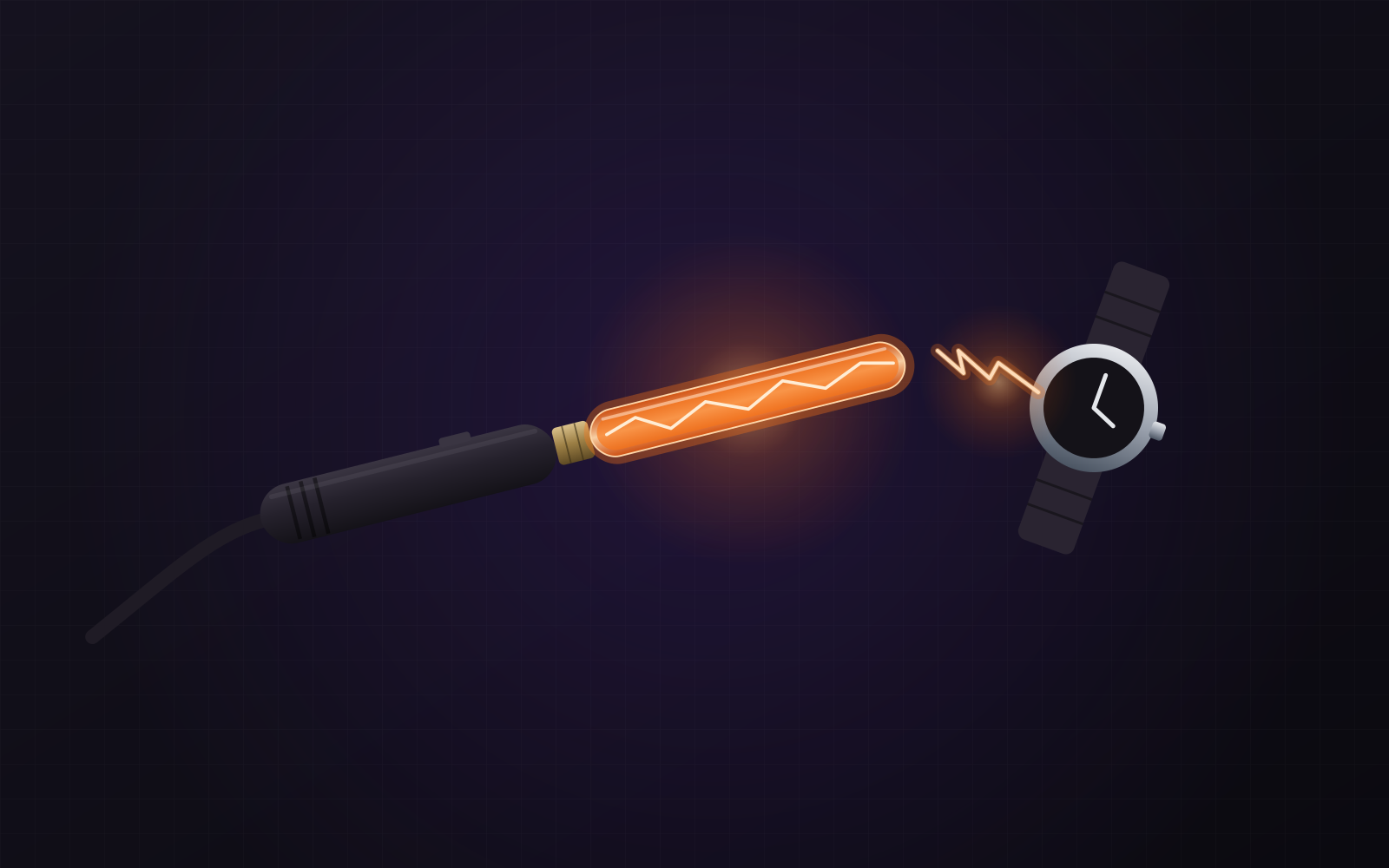
Why people get unexpected zaps from violet wands, which ones are a nuisance and which mean stop right now, and how to avoid them on the bench.
Read article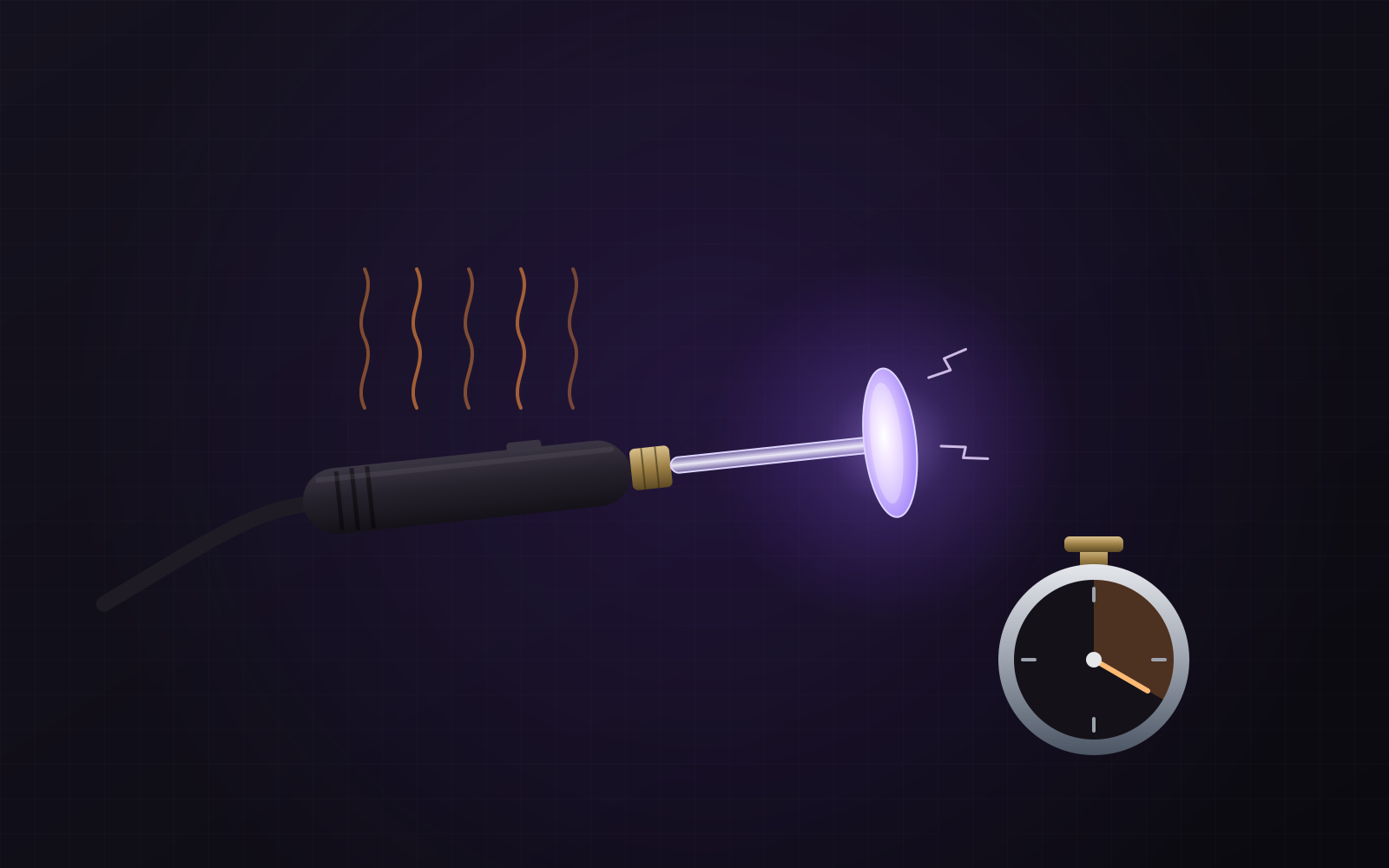
Why violet wands need rest breaks, how heat builds up inside the handle, and how to work out a sensible running pattern for an old wand.
Read article
The socket, chuck or collet at the front of the handle: how it grips the electrode, why a good grip matters, and how to adjust it without breaking glass.
Read article
Will that electrode fit this wand? How to measure fittings, why forcing a fit breaks glass, and what to do about mixed sets and modern spares.
Read article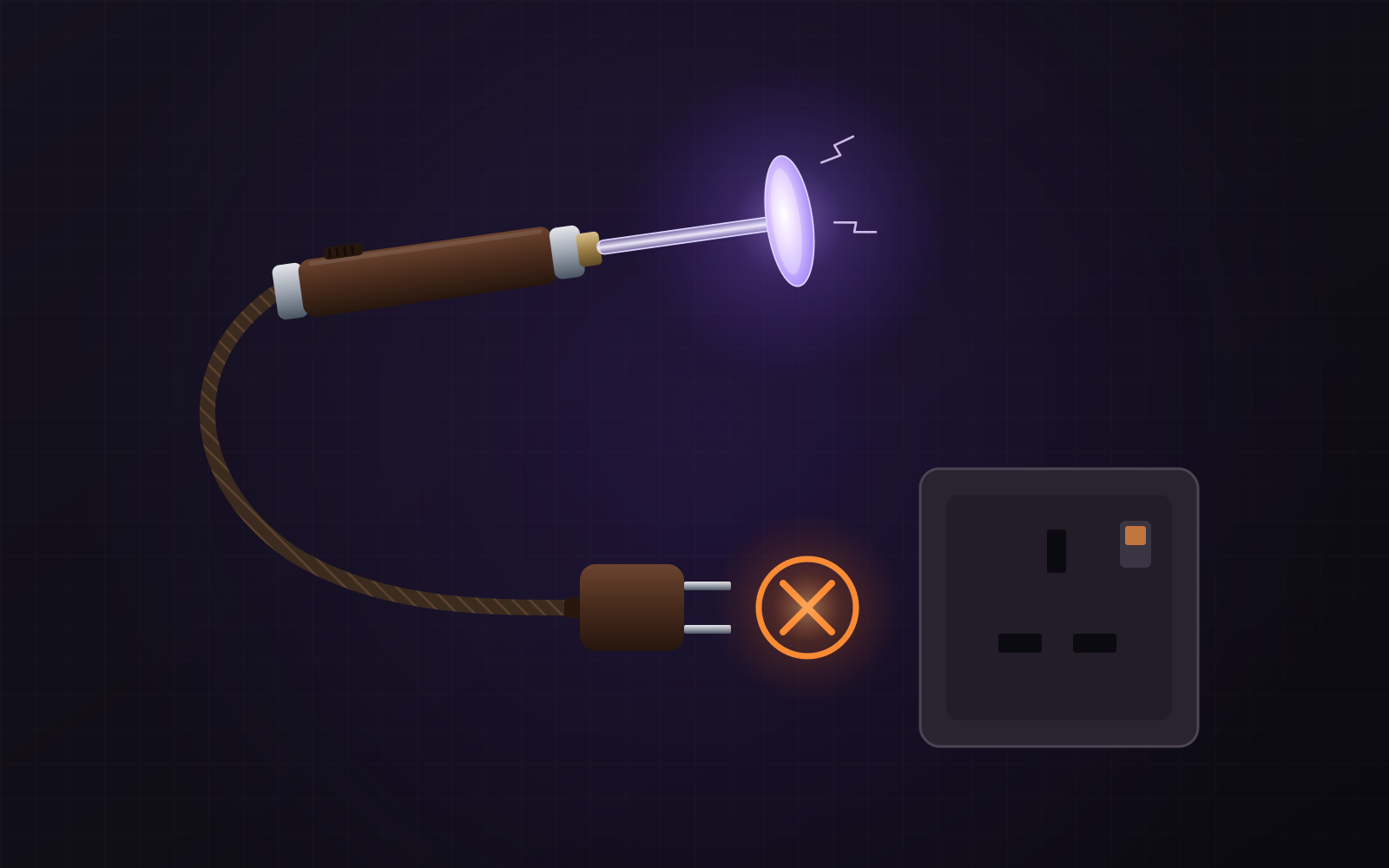
Most vintage violet wands in the UK came from America and were built for 110–120 V. Here is how to tell what yours needs, and why plugging it straight into a UK socket is a bad idea.
Read article
Step-down transformers, travel converters, isolation transformers and site transformers explained, so you can pick the right one for a violet wand in the UK.
Read article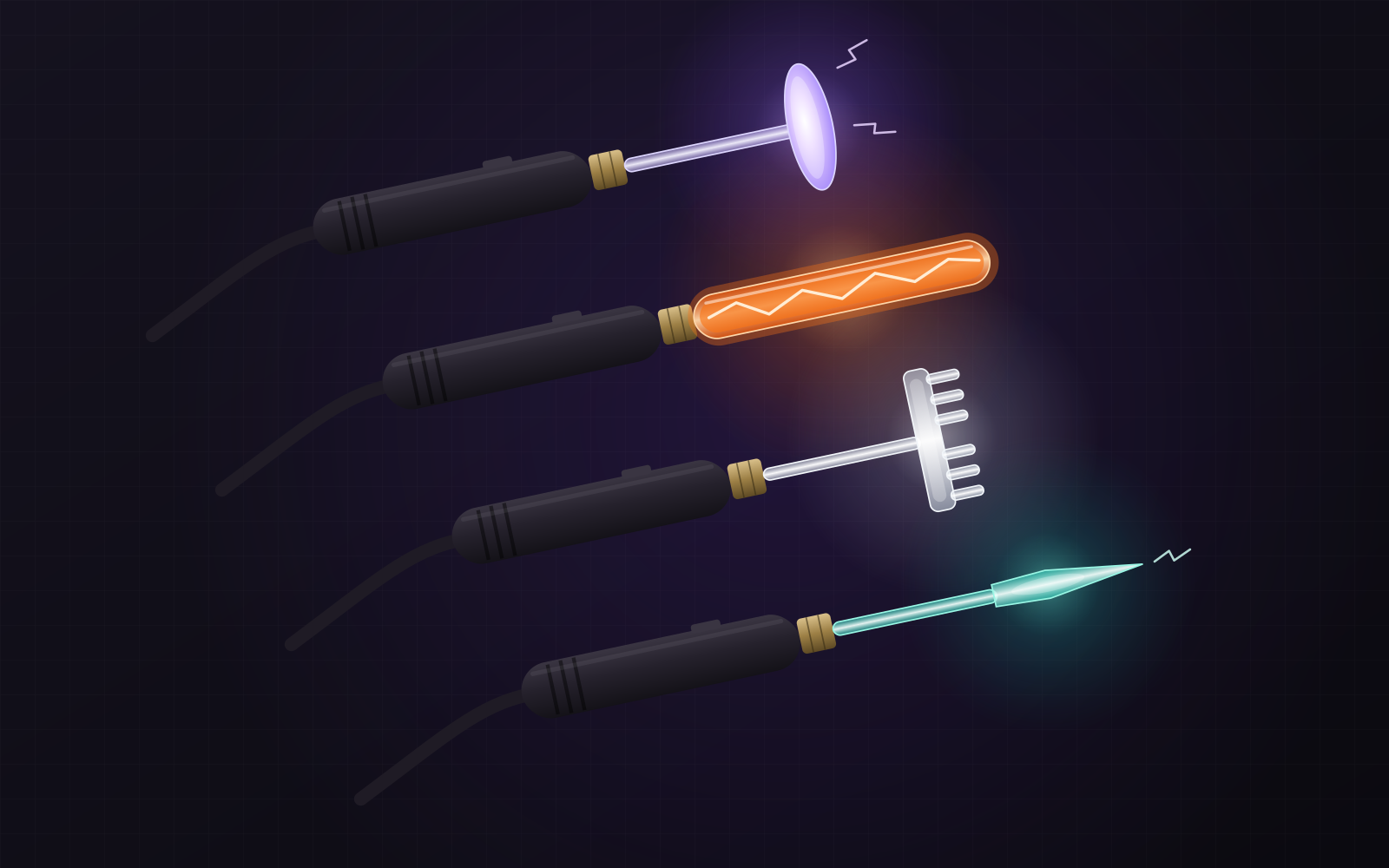
What violet wand electrodes are, why they glow, and how to inspect, handle, clean and store century-old glass without breaking it.
Read article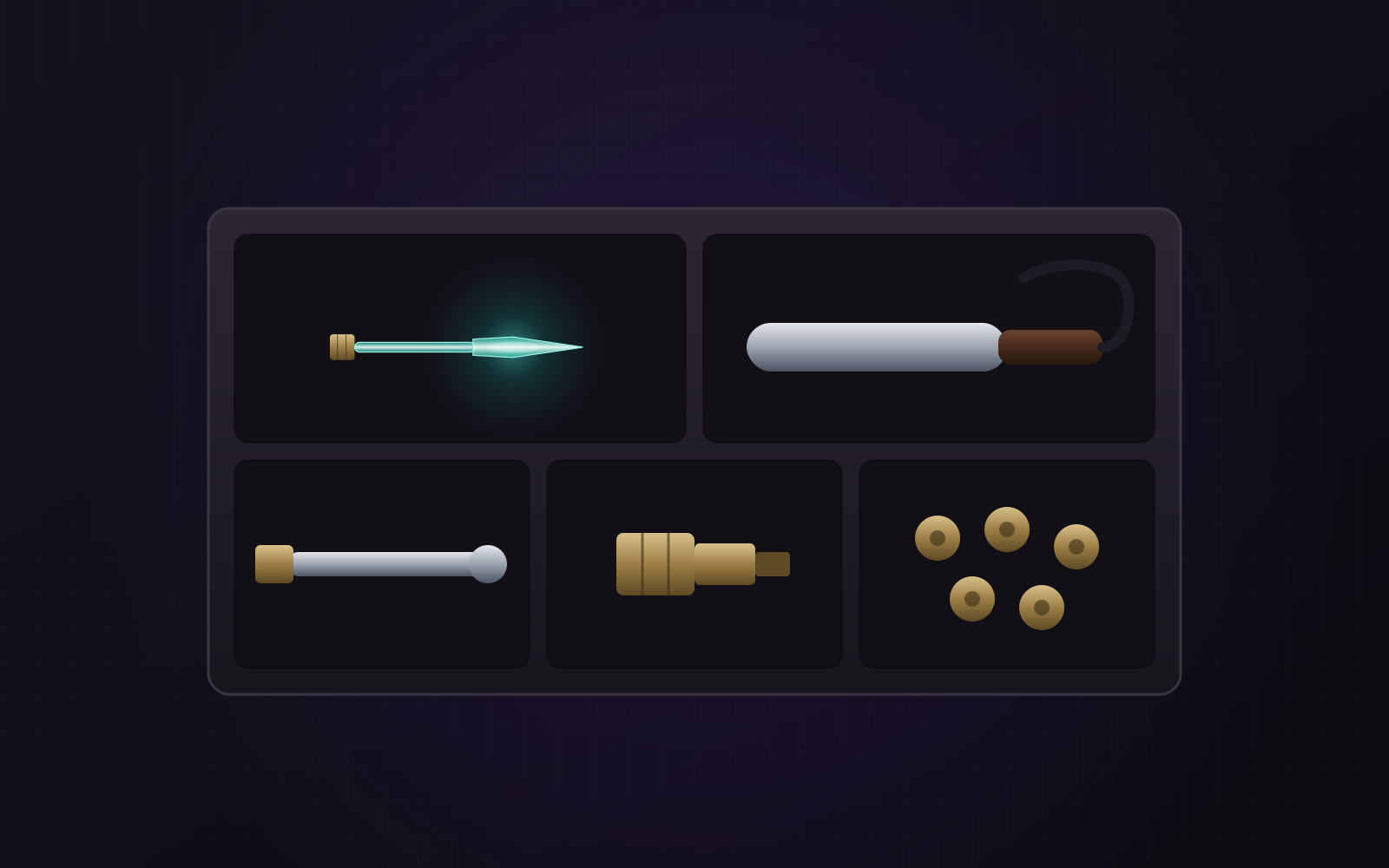
Beyond the glass: the metal electrodes, cables, adaptors and odds and ends that turn up with violet wand sets, and how to record them.
Read article
What a violet wand body contact cable is, where the idea came from, how to recognise one in a mixed lot, and why this site does not cover using it.
Read article
Two very different things get called a violet wand extension cable: high-voltage output leads and ordinary mains extension leads. Here is what each is and how to treat them.
Read article
A field guide to violet wand electrode shapes and sizes, from mushrooms and combs to fine points, with a simple way to measure and describe each one.
Read article
Why some electrodes are slow to light or flicker after years in a case, what "charging" one really means, and when an electrode is simply finished.
Read article
Ten simple habits that keep vintage violet wands, and the people around them, in good shape. A handy summary of the rest of the Info section.
Read article
From 1890s high-frequency experiments to the boxed "violet ray" outfits of the 1920s and the modern violet wand: where these curious devices came from.
Read articleNew info articles, guides, collection notes, and restoration write-ups are added to the RSS feed as they're published. Add it to any feed reader to see new posts as they appear.