Restoration can mean different things: stabilising an object, returning it to a known earlier appearance, or making it function again. Those aims are not interchangeable, and a choice that suits one device may be wrong for another.
Start with the evidence#
I consider the object’s condition, its documented history, and the quality of available references. Clear photographs and notes help separate original features from later changes. If the evidence is incomplete, that uncertainty is part of the record.
Consider reversibility#
Where practical, I favour choices that preserve original material and can be understood or reversed by a future conservator. A visually tidy result is not automatically a better one. Repairs should be documented, including what was changed and why, so later readers can distinguish original parts from additions.
Function is a separate question#
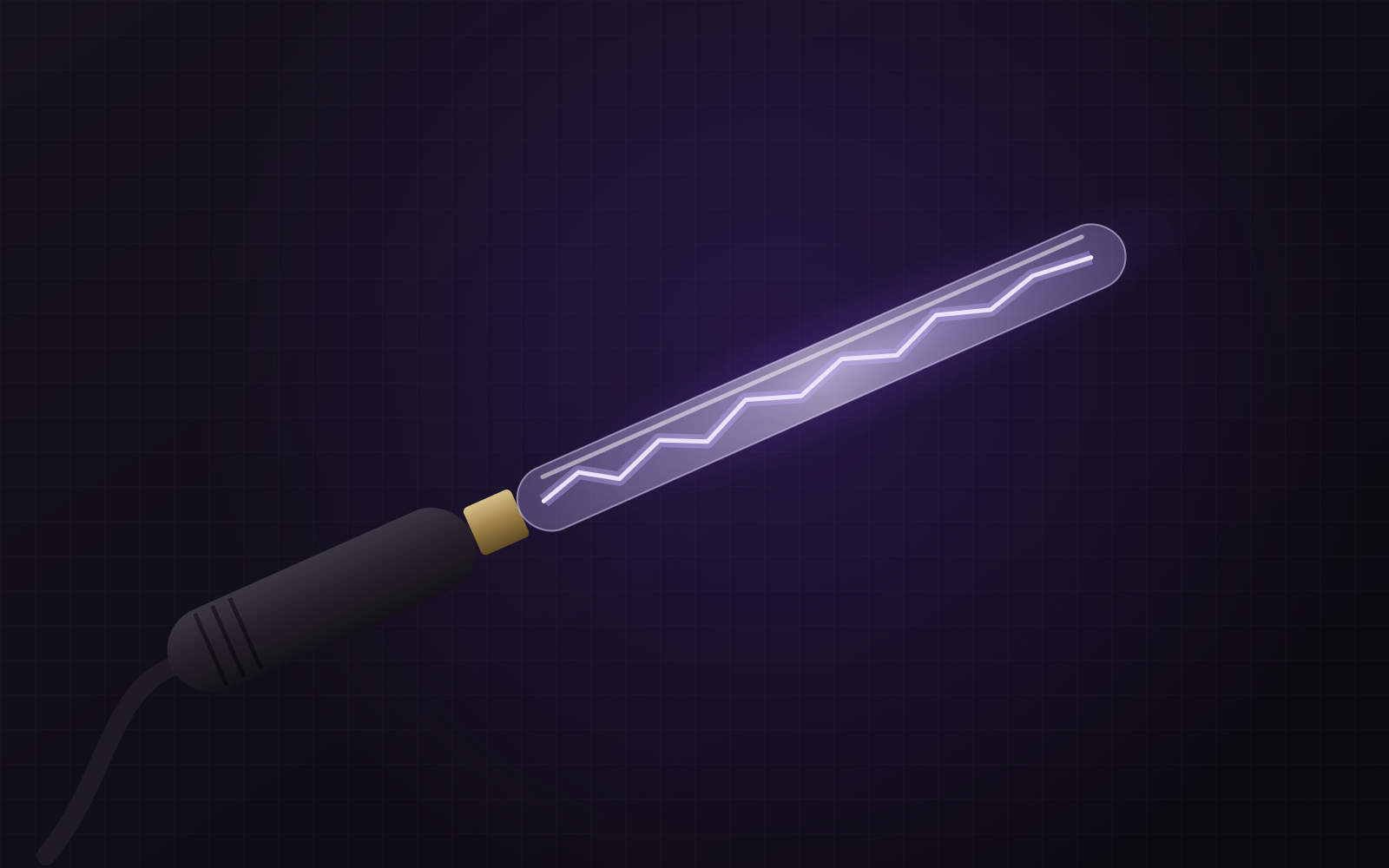
A device that looks complete is not necessarily electrically sound. Conversely, preserving an object does not require returning it to operation. Violet wand equipment involves high voltage, and deciding whether it can be made safe requires direct assessment by a qualified person. This article is not a repair or testing guide, and I do not recommend operating vintage devices.
Explain the decision#
For each project, I want to describe the options considered, the evidence behind the choice, and what remains unresolved. That makes the restoration more useful than a simple before-and-after photograph: it shows how the object was approached and where caution shaped the result.
There is rarely one perfect answer. A transparent, well-documented decision is a good place to start.