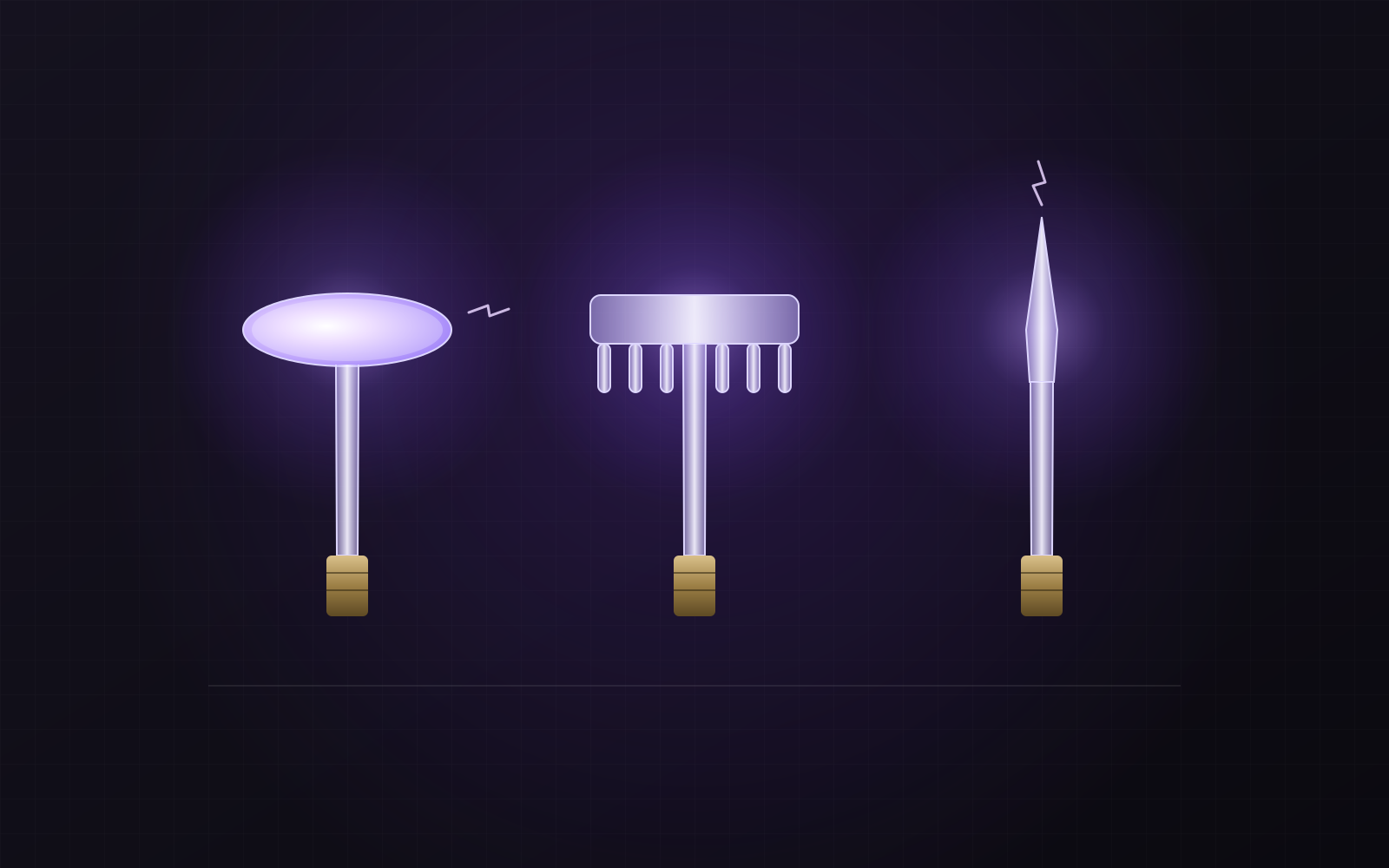
Before deciding what a device needs, I start by recording what is actually there. A careful first look can preserve useful clues and help avoid turning an assumption into part of the object’s story.
Record the object as found#
I photograph the overall device, its accessories, labels, controls, connectors, and any visible damage. I note which parts appear to belong together, while keeping uncertain matches clearly marked as uncertain.
I also make a simple condition list: cracks, corrosion, loose or missing parts, previous repairs, and areas that deserve closer examination by a suitably qualified person. The goal is a record, not a verdict on whether the device is safe to use.
Research before replacing#
Labels, maker marks, component shapes, and construction details can help identify a model or period. I compare those clues with reliable references and other documented examples. Similar-looking devices may differ, so I avoid treating one example as a definitive guide to another.
Missing parts are especially easy to misread. I record dimensions and attachment points, then research possible matches before considering whether a replacement is appropriate. An accurate, reversible repair is often preferable to making an object look complete at the cost of losing evidence.
Keep safety in view#
Violet wands contain high-voltage circuitry. Their condition cannot be judged from appearance alone, and components may present hazards even after the device is disconnected. This post describes documentation only; it is not a procedure for opening, testing, or operating equipment. Any hands-on electrical work should be assessed and handled by someone with the right training and equipment.
A good restoration starts with better questions. The notes and photographs from this first stage make the later decisions easier to explain—and easier to revisit.